
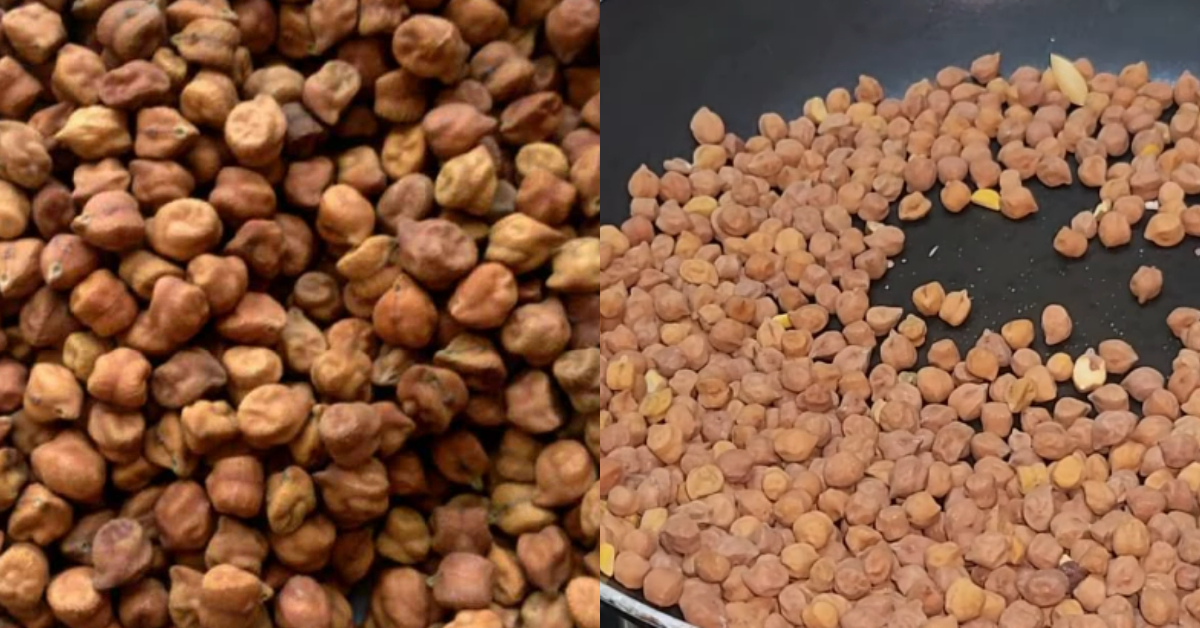
തണുപ്പു കാലത്ത് കടല പോലുള്ള ധാന്യങ്ങളിൽ പൂപ്പൽ വരുന്നുണ്ടോ; എങ്കിൽ ഉണക്കി എടുക്കാൻ വെയിൽ കാത്തു നിൽക്കണ്ട; ഇതുപോലെ ചെയ്തെടുത്തൽ മതി..!! | How Reduce Moisture In Grains
How to Reduce Moisture in Grains – Keep Them Fresh Longer
Properly drying grains prevents mold, pests, and spoilage. Use sun-drying, mechanical drying, or store in a low-humidity, well-ventilated area. Stir occasionally and ensure grains feel firm and dry. Correct moisture control ensures longer shelf life, better taste, and safe storage for rice, wheat, and pulses.
How Reduce Moisture In Grains : വീട്ടിലെ ജോലികൾ എളുപ്പത്തിൽ തീർക്കാനായി വ്യത്യസ്ത രീതിയിലുള്ള ടിപ്പുകളെല്ലാം പരീക്ഷിച്ചു നോക്കുന്നവരായിരിക്കും നമ്മളിൽ കൂടുതൽ ആളുകളും. എന്നാൽ ഇത്തരത്തിൽ പരീക്ഷിക്കുന്ന പല ടിപ്പുകളും ഉദ്ദേശിച്ച രീതിയിൽ വർക്ക് ചെയ്യാറില്ല എന്നതാണ് മറ്റൊരു സത്യം. അത്തരം സാഹചര്യങ്ങളിലെല്ലാം തീർച്ചയായും ഉപകാരപ്പെടുന്ന കുറച്ച് കിടിലൻ ടിപ്പുകൾ വിശദമായി മനസ്സിലാക്കാം. തണുപ്പുള്ള സമയങ്ങളിൽ പരിപ്പ് വർഗ്ഗങ്ങളിൽ തണുപ്പ് നിന്ന് പെട്ടെന്ന് കേടായി പോകാനുള്ള സാധ്യത കൂടുതലാണ്.
1. Sun Drying (Traditional Method)
- Spread grains in a thin layer on a clean, dry surface or mat.
- Expose to direct sunlight for several hours, stirring occasionally for uniform drying.
- Ensure grains are dry to the touch and there’s no moisture smell.
Pros: Simple and cost-effective.
Cons: Weather-dependent; contamination risk from dust/insects.
അത് ഒഴിവാക്കാനായി പുറത്ത് വെയിൽ ഉണ്ടെങ്കിൽ കുറച്ചുനേരം കടല പോലുള്ള സാധനങ്ങൾ വെയിലത്ത് വച്ച് ഉണക്കിയ ശേഷം ഒരു കണ്ടെയ്നറിൽ ഇട്ട് സൂക്ഷിക്കാം. അതല്ലെങ്കിൽ ഒരു പാൻ അടുപ്പത്ത് വെച്ച് നല്ലതുപോലെ ചൂടായി വരുമ്പോൾ സ്റ്റവ് ഓഫ് ചെയ്ത ശേഷം അതിലേക്ക് ചൂടാക്കേണ്ട കടല അല്ലെങ്കിൽ പരിപ്പിട്ട് ഒന്ന് മിക്സ് ചെയ്ത ശേഷം സൂക്ഷിച്ചു വയ്ക്കുകയാണെങ്കിൽ കൂടുതൽ നാൾ കേടാകാതെ ഉപയോഗിക്കാൻ സാധിക്കുന്നതാണ്. ചെറുപഴം അല്ലെങ്കിൽ റോബസ്റ്റ പോലുള്ള പഴങ്ങൾ കൂടുതൽ അളവിൽ വാങ്ങിക്കൊണ്ടു വരുമ്പോൾ അവ പെട്ടെന്ന് അളിഞ്ഞു പോകുന്നത് ഒരു വലിയ പ്രശ്നം തന്നെയാണ്.
2. Mechanical Drying
- Use a grain dryer or hot-air oven.
- Maintain low temperatures (40–50°C) to avoid damaging grains.
- Dry until moisture content is around 12–14% for safe storage.
Pros: Faster and controlled; consistent moisture removal.
Cons: Requires equipment and energy.
അത് ഒഴിവാക്കാനായി പഴത്തിന്റെ മുകളിൽ ഒരു ന്യൂസ് പേപ്പർ ചെറുതായി പൊതിഞ്ഞു കൊടുത്താൽ മാത്രം മതിയാകും. വാഷിംഗ് മെഷീനിൽ വൈറ്റ് നിറത്തിലുള്ള ഷർട്ട് പോലുള്ള തുണികൾ ക്ലീൻ ചെയ്യാനായി ഇടുമ്പോൾ അതിന്റെ കോളർ ഭാഗത്തുള്ള കറകൾ പോവാറില്ല. എന്നാൽ ഷർട്ട് പൂർണ്ണമായും ക്ലീൻ ചെയ്ത് കിട്ടാനായി തുണി അലക്കാനായി ഇടുമ്പോൾ അതിനകത്തേക്ക് ഒരു ഫോയിൽ പേപ്പർ ചുരുട്ടി ഇടുകയോ അതല്ലെങ്കിൽ ഒരു പ്ലാസ്റ്റിക്കിന്റെ സ്ക്രബർ ഇട്ടുകൊടുക്കുകയോ ചെയ്താൽ മാത്രം മതിയാകും.
കൂടുതൽ അളവിൽ പച്ചമുളക് കടകളിൽ നിന്നും വാങ്ങിക്കൊണ്ടുവന്ന് സൂക്ഷിക്കുമ്പോൾ അത് പെട്ടെന്ന് കേടായി പോകാറുണ്ട്. മുളക് കൂടുതൽ ദിവസം കേടാകാതെ സൂക്ഷിക്കാനായി അത് ഇട്ടുവയ്ക്കുന്ന പാത്രത്തിൽ വെള്ളം പൂർണമായും തുടച്ചു കളഞ്ഞ ശേഷം ഒരു പേപ്പർ കട്ട് ചെയ്തു വച്ച് മുളക് ഇട്ടു കൊടുക്കുകയാണെങ്കിൽ കൂടുതൽ ദിവസം അതേ രീതിയിൽ തന്നെ ഉപയോഗപ്പെടുത്താനായി സാധിക്കും. ഉപകാരപ്രദമായ ഇത്തരം കൂടുതൽ ടിപ്പുകൾക്കായി വീഡിയോ കാണാവുന്നതാണ്. How Reduce Moisture In Grains Credit : Grandmother Tips
1. Sun Drying (Traditional Method)
- Spread grains in a thin layer on a clean, dry surface or mat.
- Expose to direct sunlight for several hours, stirring occasionally for uniform drying.
- Ensure grains are dry to the touch and there’s no moisture smell.
Pros: Simple and cost-effective.
Cons: Weather-dependent; contamination risk from dust/insects.
2. Mechanical Drying
- Use a grain dryer or hot-air oven.
- Maintain low temperatures (40–50°C) to avoid damaging grains.
- Dry until moisture content is around 12–14% for safe storage.
Pros: Faster and controlled; consistent moisture removal.
Cons: Requires equipment and energy.
3. Dehumidification
- Store grains in a low-humidity environment.
- Use silica gel packs, rice, or moisture absorbers in small containers.
- Ideal for small quantities like seeds or specialty grains.
4. Ventilation
- Keep grains in well-ventilated, airy storage containers or bins.
- Avoid tight, humid storage which encourages mold growth.
5. Pre-Harvest and Post-Harvest Tips
- Harvest grains at full maturity.
- Avoid harvesting in wet weather.
- Dry grains immediately after threshing.
💡 Tip: Always check grain moisture with a moisture meter if possible. Properly dried grains should feel firm, not soft or sticky.

Comments are closed.