
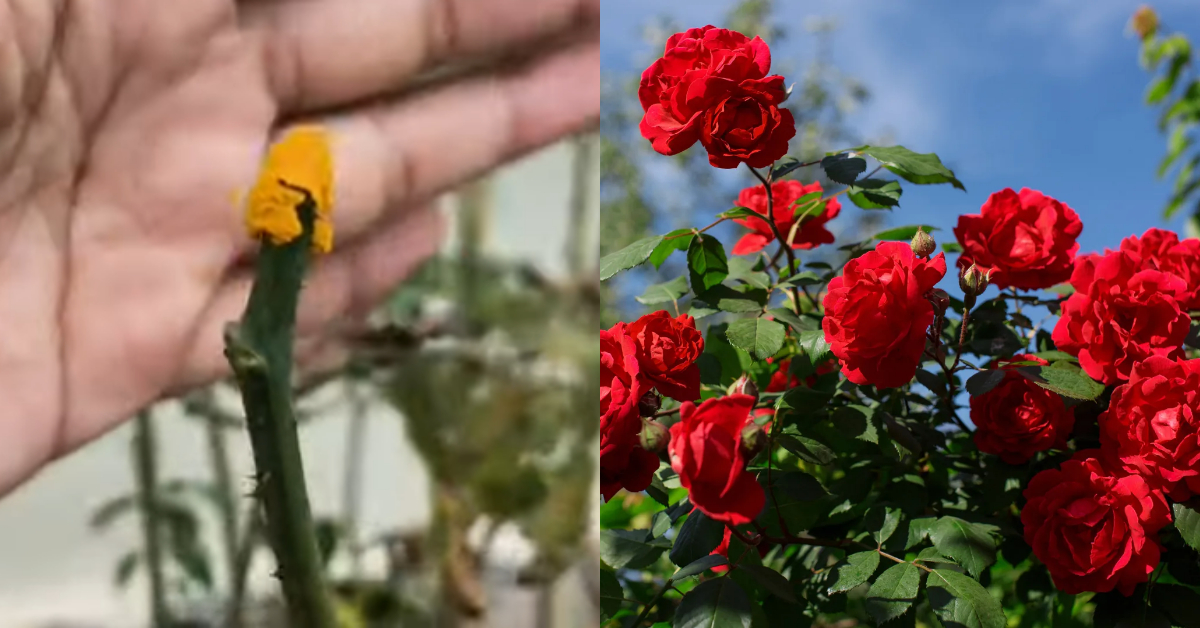
റോസ് കുലകുത്തി ഇതുപോലെ ചെയൂ; അടുക്കളയിലെ ഇതൊന്നു മതി ചെടി നിറയെ പൂവിടാൻ; ചെടിയിൽ പൂവിടുന്നില്ലെന്ന പരാതി ഇനി വേണ്ട..!! | Gardening Tips Using Fertilizer
Boost Your Garden: Fertilizer Tips for Thriving Plants
Maximize your garden’s growth with the right fertilizer! Choose organic or synthetic types based on plant needs, balance N-P-K ratios, and apply correctly. Test soil, feed during key growth stages, and avoid overuse. Healthy soil and timely nutrients ensure lush leaves, vibrant flowers, and bountiful fruits.
Gardening Tips Using Fertilizer : വീട്ടിൽ ചെറിയൊരു പൂന്തോട്ടം മിക്ക വീട്ടമ്മമാരുടെയും ഇഷ്ട വിനോദമാണ്. വീട്ടിൽ ചെടി വളർത്തുന്നവരിൽ റോസാച്ചെടി വളർത്താത്തവരായി ആരുണ്ടാവും. റോസാച്ചെടിയുടെ വിവിധ ഇനങ്ങൾ വളർത്തുന്നവരായിരിക്കും നിങ്ങളിൽ പലരും. പക്ഷെ റോസാച്ചെടി നന്നായി പരിചരിക്കാൻ എന്തൊക്കെ ചെയ്യണമെന്ന് പലർക്കും അറിയില്ല. എന്നാൽ റോസാപ്പൂ പൂവിടാനും തഴച്ചു വളരാനും എല്ലാവർക്കും ആഗ്രഹമുണ്ട്താനും. പക്ഷെ ശ്രദ്ധ അൽപ്പം കുറഞ്ഞാൽ കുരുടിപ്പും മറ്റു രോഗങ്ങളും വന്ന് ചെടി തന്നെ നശിച്ച് പോവും.
. Know Your Fertilizer Types
Fertilizers are generally classified into organic and synthetic:
- Organic Fertilizers: Compost, manure, bone meal, seaweed, and fish emulsion. They release nutrients slowly and improve soil structure.
- Synthetic Fertilizers: Commercially manufactured, like NPK (Nitrogen-Phosphorus-Potassium) blends. They act quickly but don’t improve soil structure.
അൽപ്പം ശ്രദ്ധയും ക്രമമായ പരിചരണവും നൽകി ചിരസ്ഥായി പ്രകൃതമുള്ള പനിനീർച്ചെടി പൂന്തോട്ടത്തിലെ മുഖ്യ ആകർഷണമായി കൂടുതൽ നാൾ എങ്ങനെ നിലനിർത്താം എന്ന് നോക്കാം. നല്ല പോലെ ഫെർട്ടിലൈസർ ആവശ്യമുള്ള ചെടിയാണ് റോസ്. പക്ഷെ എത്ര ഫെർട്ടിലൈസർ കൊടുത്താലും ചെടി നല്ല പോലെ വളരുന്നില്ലെന്ന പരാതി ഉള്ളവരുമുണ്ട്. നമ്മുടെ റോസിന്റെ PH 6 മുതൽ 7 വരെയാണ് നിലനിർത്തേണ്ടത്. അതെങ്ങനെ നിലനിർത്തണം എന്നല്ലേ?? ആദ്യം മണ്ണിന്റെ PH ന്റെ അളവൊന്നു നോക്കണം.
2. Understand the N-P-K Ratio
Fertilizers list three numbers (e.g., 10-10-10):
- N (Nitrogen): Promotes leafy growth.
- P (Phosphorus): Strengthens roots and encourages flowering and fruiting.
- K (Potassium): Improves overall plant health and disease resistance.
PH മീറ്ററിൽ 6.7 ആണ് അളവ് കിട്ടേണ്ടത്. പല മണ്ണിനും അമ്ലം കൂടുതലായത് കൊണ്ട് ചാരമോ കുമ്മായമോ ഇട്ടു കൊടുത്ത് PH ഒരു 6.7 നിലനിർത്താൻ പറ്റും. PH 6.7 ആയിക്കഴിഞ്ഞാൽ മണ്ണിൽ നിന്നും നല്ല പോലെ വളങ്ങൾ ആഗിരണം ചെയ്യാൻ ചെടികൾക്ക് സാധിക്കും. തൽഫലം നല്ല പോലെ പൂക്കളും പച്ച ഇലകളും തഴച്ചു വളരും. പുതിയ റോസിന്റെ പുതിയ വളർച്ചയെ പ്രോത്സാഹിപ്പിക്കുന്നതിനായി ഒരു പ്രാവശ്യം പൂവുണ്ടായതിന് ശേഷം നമ്മളത് കട്ട് ചെയ്ത് കൊടുക്കണം.
പലർക്കും റോസ് കട്ട് ചെയ്ത് കൊടുക്കാൻ വലിയ പ്രയാസമാണല്ലേ?? അങ്ങനെ മുറിച്ചു മാറ്റാതിരുന്നാൽ റോസ് ചെടി മണ്ണിൽ നിന്നും വലിച്ചെടുക്കുന്ന ന്യൂട്രിയന്റ്സ് എല്ലാം തന്നെ ആ ഉണങ്ങിയ ഇലകളിലേക്ക് പൊയ്ക്കൊണ്ടിരിക്കും. അങ്ങനെ വരുമ്പോൾ ആ പൂക്കൾ ഉണങ്ങുന്നതോടു കൂടി ചെടിയും ഉണങ്ങി തുടങ്ങും. അതുകൊണ്ട് ഉണങ്ങിയ കൊമ്പുകളും ഇലകളും പൂക്കളുമെല്ലാം മുറിച്ച് കൊടുത്താലേ റോസാച്ചെടി നല്ല പോലെ വളരുകയുള്ളൂ. നമ്മുടെ അടുക്കളയിലെ ഒരു ഈ ഒരറ്റ ചേരുവ കൊണ്ട് റോസാച്ചെടി തഴച്ചു വളരും. എന്താണെന്നറിയാൻ വേഗം വീഡിയോ കണ്ടോളൂ. Gardening Tips Using Fertilizer Credit : 𝓛𝓲𝓷𝓬𝔂𝓼 𝓛𝓲𝓷𝓴
1. Know Your Fertilizer Types
Fertilizers are generally classified into organic and synthetic:
- Organic Fertilizers: Compost, manure, bone meal, seaweed, and fish emulsion. They release nutrients slowly and improve soil structure.
- Synthetic Fertilizers: Commercially manufactured, like NPK (Nitrogen-Phosphorus-Potassium) blends. They act quickly but don’t improve soil structure.
Tip: Organic fertilizers are ideal for long-term soil health, while synthetic ones are great for quick nutrient boosts.
2. Understand the N-P-K Ratio
Fertilizers list three numbers (e.g., 10-10-10):
- N (Nitrogen): Promotes leafy growth.
- P (Phosphorus): Strengthens roots and encourages flowering and fruiting.
- K (Potassium): Improves overall plant health and disease resistance.
Tip: Leafy vegetables need more nitrogen, flowering plants need higher phosphorus, and fruiting plants benefit from more potassium.
3. Test Your Soil
Before fertilizing, check your soil:
- Use a soil test kit to measure pH and nutrient levels.
- Acidic soils (low pH) or alkaline soils (high pH) affect nutrient absorption.
Tip: Most plants thrive in slightly acidic to neutral soil (pH 6–7).
4. Apply Fertilizer Correctly
- Granular Fertilizers: Spread evenly on the soil and water in to help nutrients reach roots.
- Liquid Fertilizers: Apply directly to the soil or as a foliar spray. Fast-acting but temporary.
- Slow-Release Fertilizers: Release nutrients over weeks or months—ideal for container plants or low-maintenance gardens.
Tip: Over-fertilizing can burn plants or lead to excessive leaf growth with poor flowers or fruits.
5. Timing Matters
- Before planting: Mix in a balanced fertilizer to boost soil fertility.
- During growth: Feed vegetables and annuals every 3–4 weeks.
- Flowering/fruiting stage: Switch to fertilizers higher in phosphorus and potassium.
- Autumn: Reduce nitrogen; focus on potassium for root strength for winter.
6. Special Tips for Different Plants
- Vegetables: Nitrogen-rich fertilizers for leafy greens; balanced for root vegetables.
- Flowers: Phosphorus-heavy for blooms.
- Lawns: Use high-nitrogen fertilizers for thick, green growth.
- Trees/Shrubs: Slow-release fertilizers are safer for deep-rooted plants.
7. Safety and Environment
- Avoid applying fertilizer near water sources to prevent runoff.
- Store fertilizers in a cool, dry place away from children and pets.
- Follow instructions carefully to avoid overuse.

Comments are closed.