
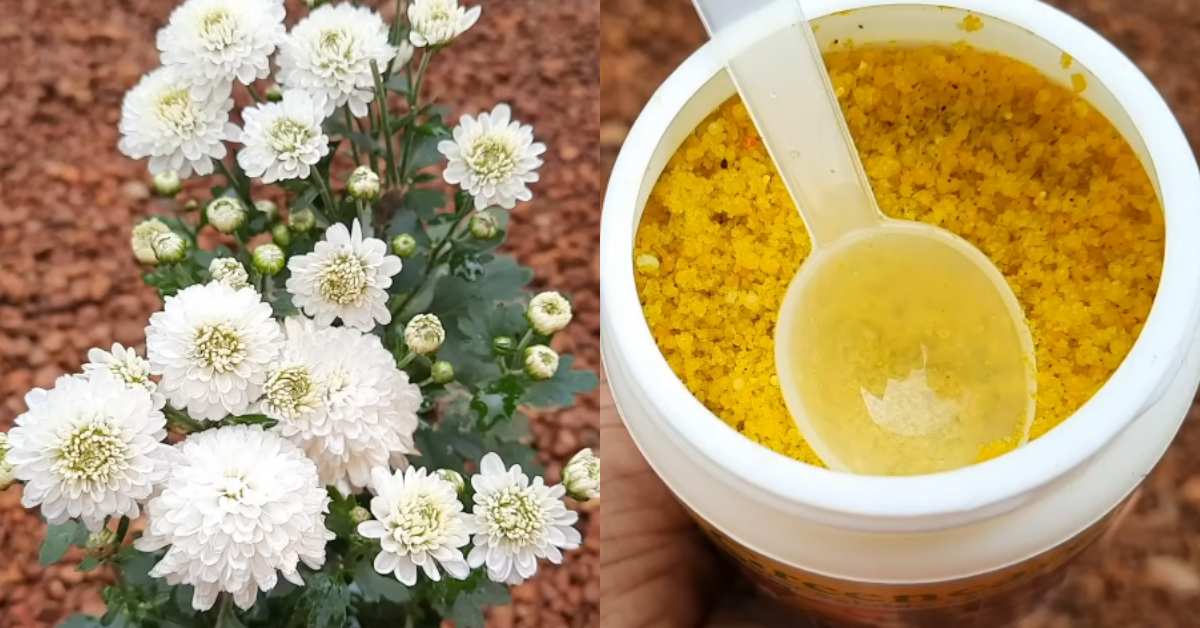
ജമന്തി ചെടിയിൽ നല്ലവണ്ണം പൂക്കൾ ഉണ്ടാകാൻ ഇങ്ങനെ ചെയൂ; എണ്ണിയാൽ തീരാത്തത്ര പൂക്കൾ ഉണ്ടാകും; നിറയെ പൂക്കൾ ഉണ്ടാകാൻ ഈ വിദ്യയൊന്ന് ചെയ്തുനോക്കൂ..!! | Chrysanthemum Cultivation At Home
🌼 Grow Beautiful Chrysanthemums at Home 🌼
Bring vibrant colors to your home with chrysanthemums! These easy-to-grow plants thrive in bright light and well-drained soil. Regular watering, pinching for bushy growth, and timely fertilization ensure long-lasting blooms. Perfect for pots or garden beds, they brighten any space and add a touch of elegance.
Chrysanthemum Cultivation At Home : നമ്മുടെ നാട്ടിലെ മിക്ക വീടുകളിലും മുറ്റത്തോടെ ചേർന്ന് ഒരു ചെറിയ പൂന്തോട്ടമെങ്കിലും ഉണ്ടാവാറുണ്ട്. പൂന്തോട്ടത്തിൽ എല്ലായ്പ്പോഴും പൂക്കൾ നിറഞ്ഞു നിൽക്കാൻ തിരഞ്ഞെടുക്കാവുന്ന ഒരു ചെടിയാണ് ജമന്തി. മഞ്ഞ, വെള്ള എന്നിങ്ങനെ വ്യത്യസ്ത നിറങ്ങളിൽ കാണപ്പെടുന്ന ജമന്തി പൂ ചെടിയിൽ നിറയെ ഉണ്ടാകാനും എല്ലാ സമയത്തും പൂക്കാനുമായി ചെയ്യേണ്ട കാര്യങ്ങൾ എന്തെല്ലാമാണെന്ന് നോക്കാം. ചെടി എത്ര നന്നായി പരിപാലിച്ചാലും ആവശ്യത്തിന് വെള്ളവും, വെളിച്ചവും ലഭിക്കുന്നില്ല എങ്കിൽ ചെടിയിൽ നിറയെ പൂക്കൾ ഉണ്ടാകില്ല.
1. Choosing the Right Variety
Chrysanthemums (commonly called “mums”) come in many types:
- Garden Mums: Large, bushy plants with big blooms.
- Pot Mums: Smaller, ideal for indoor pots.
- Spray Mums: Multiple small blooms per stem, great for bouquets.
- Choose a variety suited for indoor or balcony growth if space is limited.
ചെടി നിറഞ്ഞു നിൽക്കുന്ന രീതിയിൽ പൂക്കൾ ഉണ്ടാകാനായി രണ്ട് നേരവും കൃത്യമായ അളവിൽ വെള്ളമൊഴിച്ചു കൊടുക്കണം.ചെടിയിൽ വെള്ളം കൂടുതലായി ഒഴിച്ചു കൊടുത്താൽ തണ്ട് ചീയാനുള്ള സാധ്യത കൂടുതലാണ്. ചെടി നട്ടു കഴിഞ്ഞാൽ അത് മണ്ണിൽ നല്ലതു പോലെ ഉറച്ചിട്ടുണ്ട് എന്ന കാര്യം ഉറപ്പു വരുത്തണം. ചെടി നടുന്നതിന് മുൻപായി ചെടിച്ചട്ടിയുടെ അടിഭാഗത്ത് കാൽഭാഗം മണ്ണ് നിറച്ചു കൊടുക്കണം.
3. Soil Requirements
- Well-draining, fertile soil is essential.
- Ideal pH: 6.5–7.0 (slightly acidic to neutral).
- Mix garden soil + compost + sand in a 2:1:1 ratio for potted plants.
- Good drainage is crucial—waterlogged soil can cause root rot.
കറുത്ത മണ്ണ് ഉപയോഗിക്കുന്നതാണ് കൂടുതൽ അനുയോജ്യം. ശേഷം അതിലേക്ക് എല്ലുപൊടി ഇട്ടു കൊടുക്കുക.അതിനു മുകളിലേക്ക് ചാണകപ്പൊടി ചേർത്ത് കൊടുക്കാവുന്നതാണ്. ഇവ രണ്ടും ചെടിക്ക് നല്ല വളങ്ങളാണ്. ശേഷം ജമന്തിയുടെ തല രണ്ടെണ്ണം ചേർത്താണ് ഒരു ചട്ടിയിൽ നടേണ്ടത്. മണ്ണിൽ ചെറുതായി നനവ് ഉണ്ടായിരിക്കുന്നത് നല്ലതാണ്. ചെടി നട്ടശേഷം രാവിലെയും വൈകുന്നേരവും ആവശ്യത്തിന് വെള്ളമൊഴിച്ച് നനച്ചു കൊടുക്കണം.
ചെടിയിൽ നല്ലപോലെ പൂക്കൾ ഉണ്ടാവാനായി ഗ്രീൻ കെയർ എന്ന വളം വാങ്ങി ഉപയോഗിക്കാവുന്നതാണ്. അതിനുള്ള മിശ്രിതം തയ്യാറാക്കാനായി ഒരു ലിറ്റർ വെള്ളത്തിൽ ഒരു ടീസ്പൂൺ ഗ്രീൻ കെയർ വളത്തിന്റെ പൊടി ഇട്ട് നല്ലതുപോലെ മിക്സ് ചെയ്ത് ആഴ്ചയിൽ ഒരിക്കൽ ചെടികളിൽ സ്പ്രേ ചെയ്തു കൊടുത്താൽ മതി. മറ്റ് ചെടികളിലും പൂക്കൾ ഉണ്ടാകാൻ ഈ രീതി പരീക്ഷിച്ചു നോക്കാവുന്നതാണ്. ഇങ്ങനെ ചെയ്താൽ ഏതു പൂക്കാത്ത ചെടിയും നിറഞ്ഞു പൂത്തുലയും. Chrysanthemum Cultivation At Home Credit : • Beats Of Nature •
1. Choosing the Right Variety
Chrysanthemums (commonly called “mums”) come in many types:
- Garden Mums: Large, bushy plants with big blooms.
- Pot Mums: Smaller, ideal for indoor pots.
- Spray Mums: Multiple small blooms per stem, great for bouquets.
- Choose a variety suited for indoor or balcony growth if space is limited.
2. Ideal Growing Conditions
Chrysanthemums are moderately easy to grow if conditions are right:
- Light: Bright sunlight for at least 4–6 hours/day. Indoors, place near a south-facing window.
- Temperature: 18–24°C (65–75°F) is ideal. Avoid frost or extreme heat.
- Humidity: Moderate; avoid overly humid or damp conditions to prevent fungal diseases.
3. Soil Requirements
- Well-draining, fertile soil is essential.
- Ideal pH: 6.5–7.0 (slightly acidic to neutral).
- Mix garden soil + compost + sand in a 2:1:1 ratio for potted plants.
- Good drainage is crucial—waterlogged soil can cause root rot.
4. Planting Chrysanthemums
From Seeds:
- Start seeds indoors 6–8 weeks before last frost.
- Sow seeds 0.5 cm deep in seed trays or pots.
- Keep soil moist and warm (20–22°C) until germination (~1–2 weeks).
From Cuttings:
- Take 10–15 cm cuttings from healthy plants.
- Remove lower leaves and plant in a mixture of sand and compost.
- Keep in a shaded area until roots develop (~2–3 weeks).
From Nursery Plants:
- Transplant small nursery chrysanthemums into pots or garden beds.
- Space 30–45 cm apart for proper air circulation.
5. Watering
- Water regularly to keep soil evenly moist, not soggy.
- Avoid wetting the leaves to prevent fungal diseases.
- Reduce watering after flowering to encourage dormancy.
6. Fertilization
- Use a balanced liquid fertilizer (NPK 20:20:20) every 2–3 weeks during growth.
- Once buds appear, switch to a high-phosphorus fertilizer to encourage flowering.
- Avoid over-fertilizing, as it may promote leaf growth over blooms.
7. Pinching & Pruning
- Pinch the top 2–3 cm of stems when the plant is 6–8 inches tall.
- Repeat every 2–3 weeks until July to promote bushy growth and more blooms.
- Remove dead or yellow leaves regularly.
8. Pests & Diseases
Common issues:
- Aphids: Spray mild insecticidal soap.
- Whiteflies & Spider Mites: Keep leaves clean, use neem oil if needed.
- Fungal diseases: Avoid overhead watering and ensure good air circulation.
9. Flowering & Care
- Chrysanthemums bloom in autumn, typically 100–120 days after planting.
- After flowering, prune stems to just above soil to prepare for next season.
- Mulch in winter for outdoor plants to protect roots.
10. Tips for Indoor Cultivation
- Use pots with good drainage holes.
- Rotate the plant weekly for uniform growth.
- Provide supplemental LED grow lights if sunlight is insufficient.
💡 Extra Tip: Chrysanthemums are “short-day” plants—they bloom when daylight hours shorten. For indoor plants, you can mimic natural cycles by covering plants with dark cloths for 12–14 hours/day starting in late summer to induce flowering.

Comments are closed.