
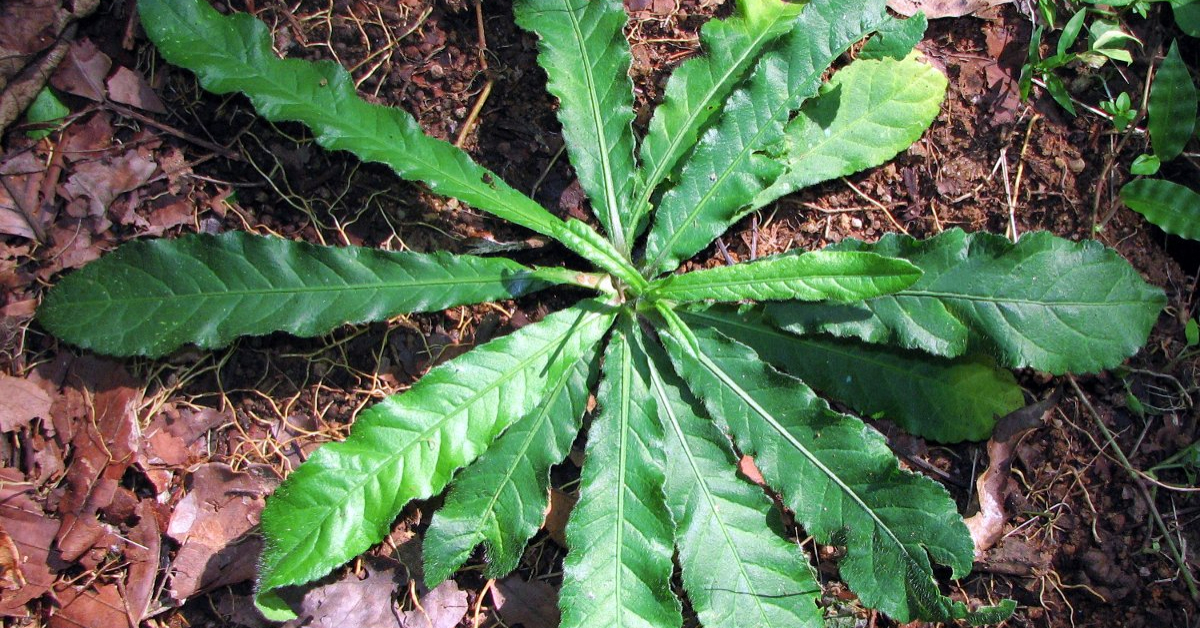
നിലം പറ്റി വളരുന്ന ഈ അത്ഭുതച്ചെടിയുടെ ഗുണങ്ങൾ അറിയാതെ പോവല്ലേ; സർവ്വ രോഗങ്ങളും മാറാൻ ഇതൊന്ന് മതി; ഇനിയും ഇത് തിരിച്ചറിയാതെ പോവല്ലേ..!! | Anachuvadi Plant Benefits
Anachuvadi Plant Benefits : health plant benifits
Anachuvadi (Elephantopus scaber) is a traditional medicinal herb known for its anti-inflammatory, antimicrobial and wound-healing properties. It is used to treat skin problems, fever, cough, digestive issues and urinary disorders. The plant is also valued for pain relief, detoxification and general wellness support in Ayurvedic and folk medicine.
Anachuvadi Plant Benefits : പൈൽസിനു ഏറ്റവും നല്ല ഒരു മരുന്നാണ് ഈ ചെടി. അതുപോലെതന്നെ നടുവേദനയ്ക്ക് ആശ്വാസം കിട്ടുന്ന മരുന്നാണ് എങ്ങനെയാണ് ഉണ്ടാക്കുന്നതെന്ന് ഈ വീഡിയോയിൽ പറയുന്നുണ്ട്.
Commonly Reported Benefits & Traditional Uses
- Anti-inflammatory, antiseptic & skin-healing
- Used as a paste or poultice (leaf/leaf-extract) to treat skin conditions like eczema, ulcers, rashes, minor wounds and itching.
പ്രമേഹത്തിന് ഗ്യാസ്ട്രബിൾ ഹൃദ്രോഗത്തിന് നിയന്ത്രണവിധേയമാക്കാൻ ഉള്ള കഴിവും രോഗങ്ങൾ സുഖപ്പെടുത്താൻ ശരീരത്തിലെ വിഷാംശം പുറത്തു കളയാൻ ഭക്ഷ്യവിഷബാധ പരിഹരിക്കാൻ ഈ ഹൃദയത്തിൻറെ ആരോഗ്യം മെച്ചപ്പെടുത്താനും ഹൃദയരോഗങ്ങളെ തടയാനും ആനച്ചുവദിയി ചേർത്ത് അൽപം കഴിച്ചാൽ ആശ്വാസം കിട്ടും. മലമ്പ്രദേശങ്ങളിൽ ആണ് കൂടുതൽ ആയി കണ്ടിട്ടുള്ളത്. അത്ഭുതപ്പെടുത്തുന്ന നിരവധി ഗുണങ്ങൾ ഇതിനെപ്പറ്റി എല്ലാ മലയാളികളും നിർബന്ധമായും അറിഞ്ഞിരിക്കണം.
What to Keep in Mind / Cautions
- Most uses are traditional or folk-medicine based, not always backed by robust clinical trials.
- Effects like “lowering cholesterol,” “managing diabetes,” or “heart-tonic” come from recent anecdotal or local sources — treat them as possible but not proven.
- External use (paste/oil) is common — if using for skin, patch-test first to rule out allergies or irritation.
- Internal use requires caution: traditional dosage/regimen varies. Always consider consulting a qualified herbalist / Ayurvedic practitioner before long-term or medicinal use.
പച്ചമഞ്ഞളും ചേർത്തരച്ചു കഴിഞ്ഞാൽ എല്ലാത്തരം വ്രണങ്ങളും പെട്ടെന്ന് ഉണങ്ങും. പാൽ കഴിക്കാൻ ബുദ്ധിമുട്ടുള്ള ആളുകൾ,ഇത് കഴിക്കാൻ പാടില്ലാത്ത ആളുകളൊക്കെ പൈൽസ് പോലുള്ള അസുഖങ്ങൾക്ക് ചികിൽസിക്കുന്നവർ ഒക്കെ ആനച്ചുവടിയുടെ വേര് കഴുകി കെട്ടി കിഴി കെട്ടി ഇടുകയാണെങ്കിൽ പൈൽസ് ബുദ്ധിമുട്ടുകൾക്ക് വളരെയധികം ബുദ്ധിമുട്ടുകൾക്ക് വളരെയധികം കുറഞ്ഞു കിട്ടും.
ഇളനീര് അൽപം തേൻ ചേർത്ത് കഴിക്കുന്നത് കൊളസ്ട്രോൾ, പ്രമേഹം ഉള്ള ആളുകൾക്ക് ആശ്വാസം കിട്ടാൻ നല്ലതാണ്. ഒരു കല്ലിൽ വെച്ചിട്ട് ആനച്ചുവടി അരച്ചെടുക്കുക. രണ്ട് ആനച്ചുവടി ആണ് നമുക്ക് സമൂലം വേണ്ടത്. ഇത് രണ്ട് ഗ്ലാസ്സ് വെള്ളത്തിലിട്ട് തിളപ്പിക്കണം. തിളപ്പിച്ച് ഒരു ഗ്ലാസ് ആക്കുക .ഈവെള്ളം ദിവസത്തിൽ പലപ്രാവശ്യം നമുക്ക് കുടിച്ചു തീർത്താൽ മതി. അങ്ങനെ കുറച്ചു ദിവസം കഴിക്കുകയാണെങ്കിൽ കൊളസ്ട്രോൾ, ഹൃദ്രോഗം, ഷുഗർ എന്നിവ കുറഞ്ഞ് കിട്ടും.ഇത് കുറഞ്ഞത് ആറു ദിവസം കഴിക്കണം. നമ്മുടെ ജീവിതത്തിൽ ഇത് കഴിക്കുന്നത് വലിയ അത്ഭുതങ്ങൾ സംഭവിക്കുന്നതിന് കാരണം ആകും.Anachuvadi Plant Benefits Credit : common beebe
✅ Commonly Reported Benefits & Traditional Uses
- Anti-inflammatory, antiseptic & skin-healing
- Used as a paste or poultice (leaf/leaf-extract) to treat skin conditions like eczema, ulcers, rashes, minor wounds and itching.
- Reported to help skin allergies, reduce redness and soothe irritation.
- Fever, cough, respiratory & general infections
- Decoction of leaf or root for fever, coughs, bronchitis and general respiratory issues.
- Traditional use during fevers due to its antipyretic (fever-lowering) property.
- Digestive & stomach disorders
- Helps treat diarrhea, dysentery, stomach pain and other digestive ailments when taken as decoction.
- Used in cases of dysuria (painful urination) and bladder troubles.
- Detoxification & diuretic effect
- Believed to have a diuretic effect (increasing urine output) — traditionally used to flush out toxins and support urinary health
- Potential supportive benefits for heart, cholesterol and metabolic health
- Some recent local/traditional claims say Anachuvadi may help regulate cholesterol and manage blood-sugar or diabetes.
- Also historically noted as a “cardiac tonic” or supportive for heart health and general well-being.
- Pain relief & general discomfort (analgesic, anti-inflammatory)
- Used to relieve joint or body pains, abdominal aches, and as a general pain reliever in various traditional remedies.
- Wound healing & antiseptic / anti-microbial effects
- Applied externally for ulcers, skin wounds and even insect or animal bites (snake, scorpion, etc.) as a part of traditional treatments.
🧐 What Does Scientific/Herbal Documentation Say
- According to a regional medicinal-plant board listing, Elephantopus scaber’s root and leaves are used internally for intermittent fevers, diarrhea and bronchitis; externally, its leaf-paste is used on wounds.
- Its botanical classification: herb in the family Asteraceae. S
- Some sources describe its properties as astringent, diuretic, anti-pyretic (fever-reducing), antibacterial and more.
⚠️ What to Keep in Mind / Cautions
- Most uses are traditional or folk-medicine based, not always backed by robust clinical trials.
- Effects like “lowering cholesterol,” “managing diabetes,” or “heart-tonic” come from recent anecdotal or local sources — treat them as possible but not proven.
- External use (paste/oil) is common — if using for skin, patch-test first to rule out allergies or irritation.
- Internal use requires caution: traditional dosage/regimen varies. Always consider consulting a qualified herbalist / Ayurvedic practitioner before long-term or medicinal use.
🎯 What People Commonly Use It For (in Kerala / Traditional Medicine)
- Skin ailments: eczema, wounds, ulcers, pigmentation issues.
- Respiratory problems: cough, cold, bronchitis, fever.
- Digestive issues: diarrhea, stomach ache, digestive discomfort.
- General wellness: detox, boosting immunity, urinary health.
- Supportive/palliative uses: pain relief, joint pain, minor aches, possibly metabolic health (cholesterol / sugar regulation).

Comments are closed.