
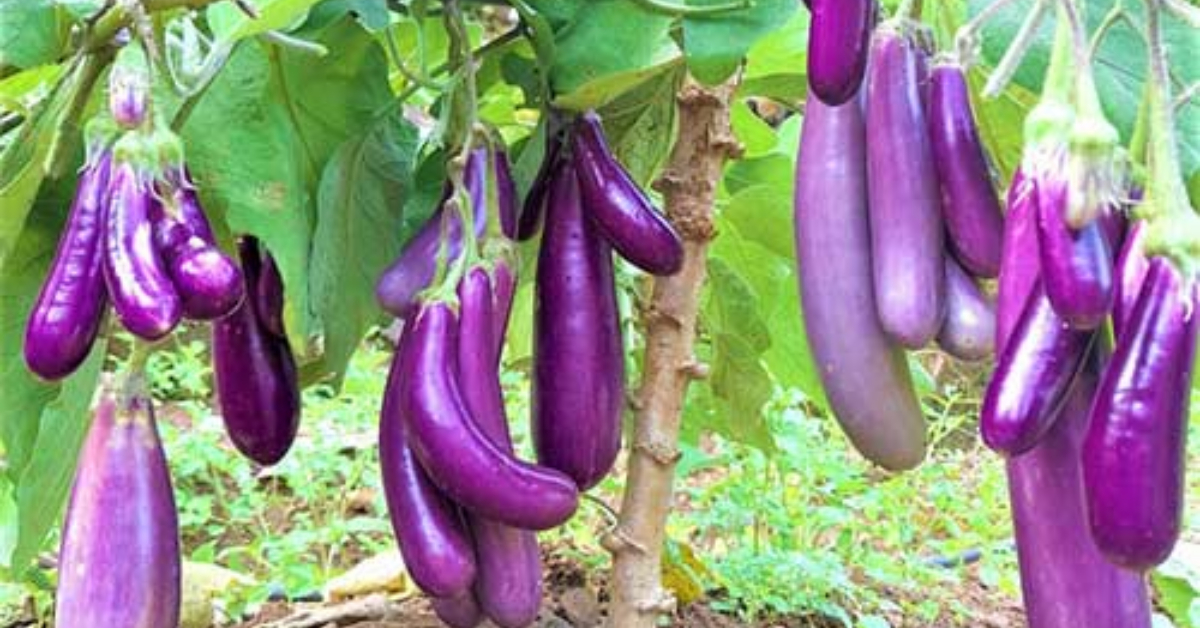
വഴുതന ഇങ്ങനെ കൃഷി ചെയ്യൂ; കൊമ്പൊടിയും വിധം വഴുതന ഉണ്ടാവാൻ ഇത് മതി; ഒരൊറ്റ സ്പ്രേ മതി എല്ലാ പൂവും കായ് ആയി മാറും.!! | Brinjal Krishi Tips
“Boost Your Brinjal Yield: Top Krishi Tips”
Grow healthy, high-yield brinjals with proper care! Choose fertile, well-drained soil, plant quality seedlings, and maintain 60–75 cm spacing. Ensure regular watering, balanced fertilization, and pest management. Prune for airflow, harvest glossy fruits timely, and use crop rotation to prevent diseases. Simple steps, maximum harvest!
Brinjal Krishi Tips : “കൊമ്പൊടിയും വിധം വഴുതന ഉണ്ടാവാൻ ഈ ഒരു സ്പ്രേ മതി.. ഒരൊറ്റ സ്പ്രേ, എല്ലാ പൂവും കായ് ആയി മാറും” നമ്മുടെ അടുക്കളയിലെ ഒഴിച്ച് കൂടാനാകാത്ത ഒരു പച്ചക്കറിയാണ് വഴുതന. ഉപ്പേരി (മെഴുക്കുപുരട്ടി), തോരന് , തീയല് (വറുത്തരച്ച കറി), സാമ്പാർ തുടങ്ങിയവയെല്ലാം ഉണ്ടാക്കുന്നതിന് വഴുതന ഉപയോഗിക്കാറുണ്ട്. വഴുതനയുടെ മറ്റൊരു പ്രത്യേകത എന്തെന്നാൽ വഴുതന പിടിച്ചു കഴിഞ്ഞാൽ ഏകദേശം
1. Climate & Soil Requirements
- Brinjal grows best in warm climates, with temperature 25–35°C. Frost can damage plants.
- Soil should be well-drained, fertile, and rich in organic matter, preferably loamy or sandy loam with pH 5.5–6.5.
- Avoid waterlogged soils; brinjal roots are sensitive to excess moisture.
രണ്ടു വര്ഷം വരെ നല്ല വിളവ് ഇതിൽ നിന്നും നമുക്ക് ലഭിക്കും. വഴുതന കൃഷി ചെയ്യുന്ന ഒട്ടുമിക്ക ആളുകൾക്കും ഉള്ള ഒരു പരാതിയാണ് വഴുതനയിലെ പൂക്കൾ എല്ലാം കൊഴിഞ്ഞു പോയി കായ് ഉണ്ടാകുന്നില്ല എന്നത്. അതിനുള്ള ഒരു പരിഹാരമാർഗം നമുക്കിവിടെ പരിചയപ്പെടാം. ഒരൊറ്റ സ്പ്രേ മാത്രം മതി വഴുതന മാത്രമല്ല മറ്റെല്ലാ പച്ചക്കറികളും പൂച്ചെടികളും പഴവർഗങ്ങളും ഒറ്റ പൂവ് പോലും കൊഴിയാതെ കായ്ക്കും.
2. Varieties
- Popular varieties in India:
- Long purple: Pusa Purple Long, Arka Shirish
- Round: Pusa Purple Round, Arka Nidhi
- Small/Hybrid: Krishna, Uttara, Bhaskara
എല്ലാവർക്കുമറിയാവുന്നതാണ് ചെടികൾക്കാവശ്യമായ പ്രാഥമിക മൂലകങ്ങൾ നൈട്രജൻ, ഫോസ്ഫറസ്, പൊട്ടാഷ്യം തുടങ്ങിയവ. ചെടികൾ നല്ലതുപോലെ പൂത്തു കായുണ്ടാകുന്നതിന് ഇവിടെ ഉപയോഗിക്കുന്നത് നാനോ പൊട്ടാഷ് ആണ്. ഒരു ലിറ്റർ വെള്ളത്തിൽ 3ml എന്ന കണക്കിനാണ് ഈ ലിക്വിഡ് ഉപയോഗിക്കുന്നത്. ഏതു കാലാവസ്ഥയിലും ഉപയോഗിക്കുവാൻ സാധിക്കുന്ന ഒരു വളം കൂടിയാണിത്.
കൂടുതൽ വിശദമായി വീഡിയോയിൽ ഇതിനെക്കുറിച്ച് പറയുന്നുണ്ട്. ഈ വീഡിയോ നിങ്ങൾക്ക് ഇഷ്ടമാവുകയാണ് എങ്കിൽ തീർച്ചയായും ലൈക്ക്, ഷെയർ ചെയ്യണേ.. ഇതുപോലെ കൂടുതല് ഉപകാരപ്രദമായ വീഡിയോകള്ക്കായി PRS Kitchen എന്ന ചാനല് Subscribe ചെയ്യാനും കൂടെ കാണുന്ന ബെൽ ഐക്കൺ ക്ലിക്ക് ചെയ്തു നോട്ടിഫിക്കേഷൻ ഇനേബിൾ ചെയ്യാനും മറക്കരുത്.
1. Climate & Soil Requirements
- Brinjal grows best in warm climates, with temperature 25–35°C. Frost can damage plants.
- Soil should be well-drained, fertile, and rich in organic matter, preferably loamy or sandy loam with pH 5.5–6.5.
- Avoid waterlogged soils; brinjal roots are sensitive to excess moisture.
2. Varieties
- Popular varieties in India:
- Long purple: Pusa Purple Long, Arka Shirish
- Round: Pusa Purple Round, Arka Nidhi
- Small/Hybrid: Krishna, Uttara, Bhaskara
3. Seed Sowing & Nursery Management
- Sow seeds in seed trays or polybags about 6–8 weeks before transplanting.
- Keep the nursery bed moist and provide partial shade initially.
- Seeds germinate in 7–10 days at 25–30°C.
4. Transplanting
- Transplant seedlings when they have 4–6 true leaves, about 25–30 days old.
- Spacing:
- Main field: 60–75 cm between rows and 45–60 cm between plants.
- Harden seedlings 5–7 days before transplanting by gradually exposing them to sunlight.
5. Fertilization
- Recommended dose (per acre):
- N: 50–60 kg
- P₂O₅: 40–50 kg
- K₂O: 60–70 kg
- Apply 50% nitrogen, full phosphorus, and potassium at planting.
- Rest of the nitrogen can be applied in 2–3 split doses during growth.
6. Irrigation
- Brinjal needs regular irrigation, especially during flowering and fruiting.
- Drip irrigation is ideal to save water and reduce fungal diseases.
- Avoid overwatering; soggy soil encourages root rot.
7. Pruning & Training
- Remove suckers and lower leaves to improve airflow and reduce disease.
- Single or double stem training is preferred for higher yields.
8. Pest & Disease Management
Common Pests
- Fruit and shoot borer (Leucinodes orbonalis):
- Symptoms: Holes in fruits and shoots
- Control: Use pheromone traps, neem oil, or Bacillus thuringiensis sprays.
- Aphids & Whiteflies: Spray neem oil or insecticidal soap.
- Red spider mites: Maintain humidity, use miticides if severe.
Common Diseases
- Early blight (Alternaria): Brown spots on leaves; spray copper fungicide.
- Verticillium wilt: Yellowing and wilting; practice crop rotation.
- Phomopsis blight: Dark lesions on fruits; remove infected parts and spray fungicide.
9. Harvesting
- Harvest when fruits are medium-sized, firm, and glossy.
- Frequent harvesting encourages continuous fruiting.
- Avoid leaving overripe fruits, as they reduce plant productivity.
10. Post-Harvest Care
- Store in a cool, shaded area or use perforated crates.
- Avoid bruising; brinjal is highly perishable.
Extra Tips
- Rotate brinjal with cereals or legumes to reduce disease buildup.
- Mulching helps retain soil moisture and suppress weeds.
- Intercropping with marigold or coriander can reduce pest attacks naturally.

Comments are closed.